Foundation Crack Repair in Little Rock, AR
A crack in a Little Rock, AR home may be nothing more than concrete that dried and pulled in, or it may hint that the ground has shifted. We take crack requests from across Pulaski County, explain what common patterns can mean, and hand each one to a local foundation specialist who sees the cracks firsthand.
- No Cost to Request
- Permit and License Basics
- Local to Pulaski County & Nearby
- Slab & Pier-and-Beam Homes
Not sure if we cover your area? Check now ↓
Epoxy, Polyurethane and Crack Injection
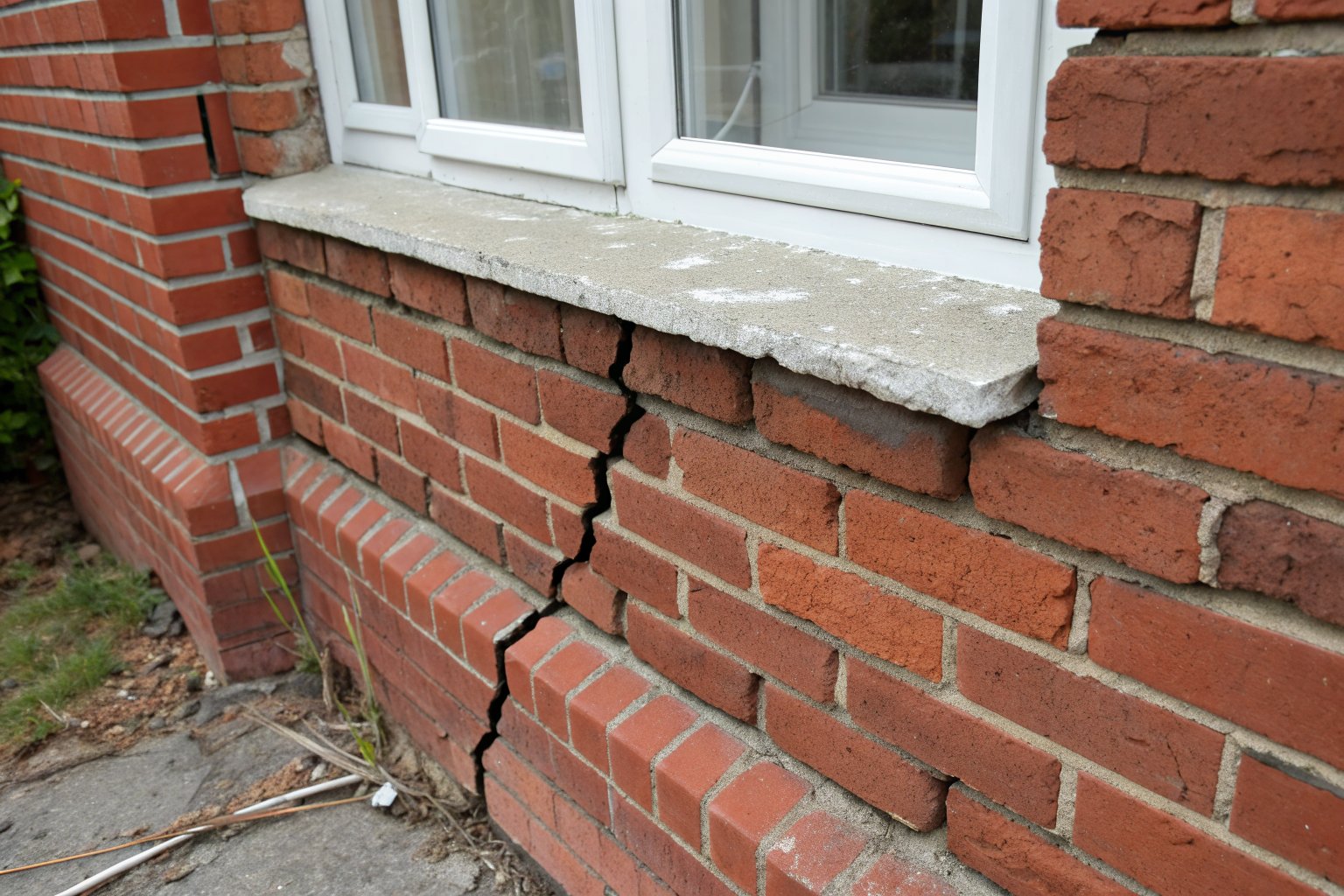
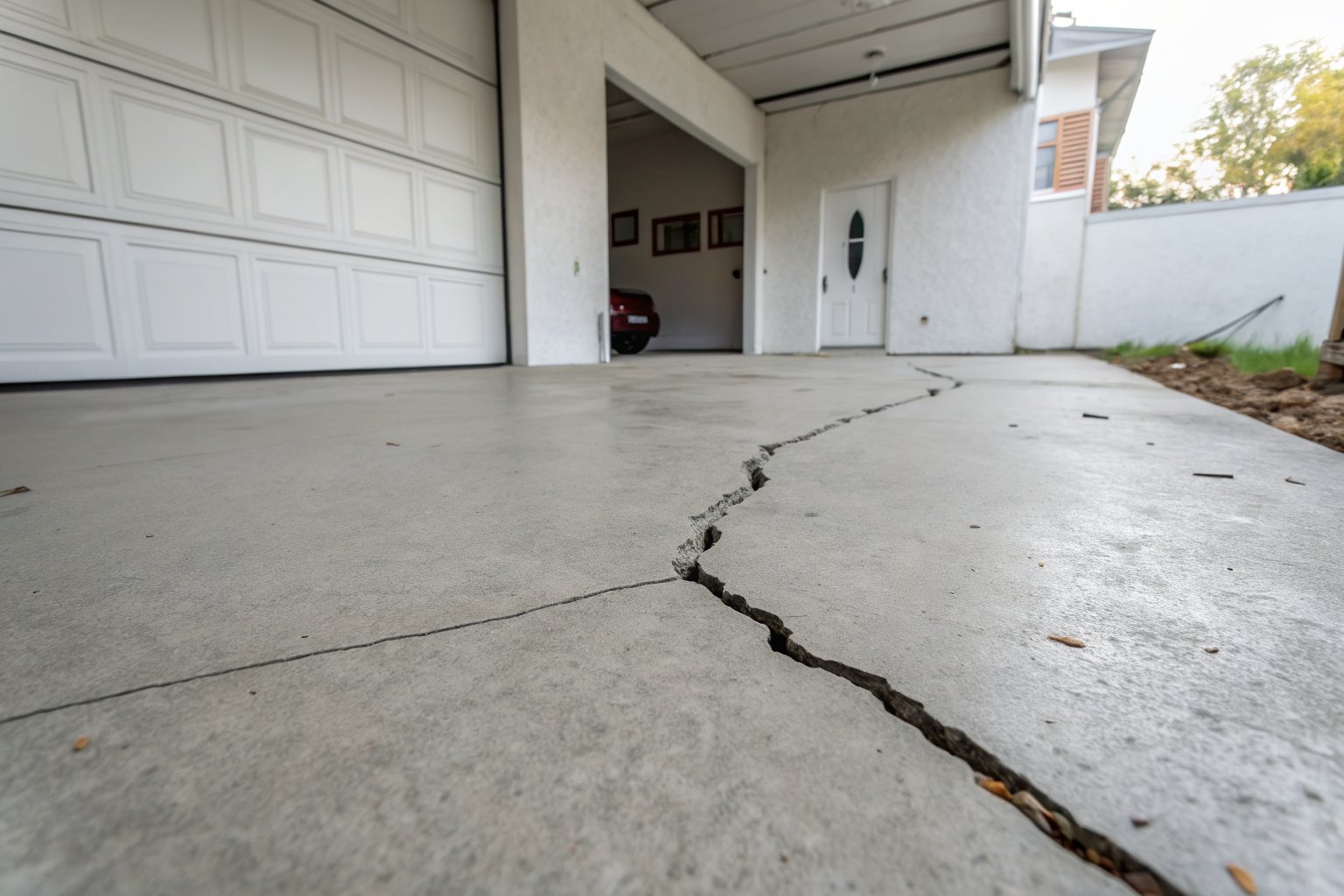
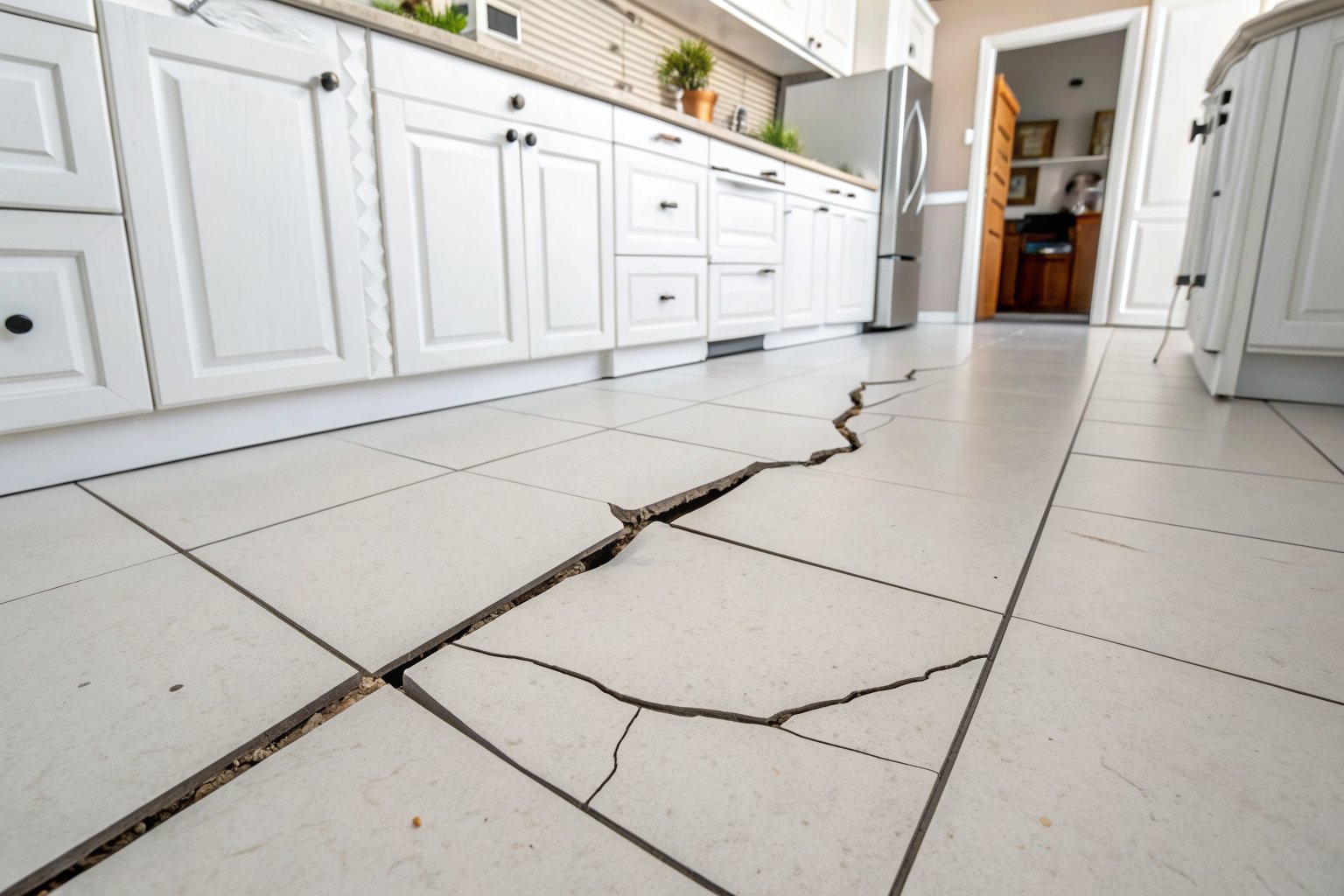
Cracks differ. A hairline in a slab, thinner than a credit card, is common in poured concrete and often stays put for years. Stair-step lines in brick veneer, a diagonal crack off a door frame, or a split through floor tile can point to uneven movement, or can be old and stable. Anything wider, or anything that seems to grow, is worth showing a specialist without alarm.
If sealing suits a crack at all, injection is one way a specialist may close it: rigid epoxy can bond a dry crack that has stopped moving, and flexible polyurethane can fill one that lets water in. Other cracks call for support work, drainage changes or just watching.
The Scope of Foundation Crack Repair
- Measuring. Width, length and direction get recorded, along with whether one side now sits higher than the other.
- Reading patterns. Brick, drywall and tile cracks are judged together with the doors, windows and floors around them.
- Sealing options. Where it fits, a crack is cleaned, fitted with ports and filled with epoxy or polyurethane; some get a surface patch instead.
- Cause, not just the line. If soil movement seems behind a crack, the specialist may propose piers, drainage changes or nothing more. We explain; the specialist decides.
The Cost Side of Foundation Crack Repair
Every figure below comes from national home-cost data; we found none for Little Rock, AR or Arkansas, and none is our price. Use them for planning only. A specialist's written estimate after a visit is the real number.
| Cost row | Figure | Source (year) |
|---|---|---|
| Crack repair, per crack | about $250 to $800 | This Old House (2026) |
| Typical foundation repair, national | about $2,224 to $8,134 (average about $5,179) | This Old House (2026) |
| Structural engineer's report | about $500 to $1,000 | This Old House (2026) |
Sealing one crack rarely tops $2,000, yet a plan with piers easily can. The foundation repair cost guide shows what moves a total.
Inside a Foundation Crack Repair Project
- Describe the cracks. The form asks where they are, about how wide, and when you first noticed them. We read it and send it on to a local foundation specialist, who contacts you about any visit.
- The look. The specialist checks whether each crack's edges still meet flush, plus nearby doors, floors and downspouts.
- A written plan, if one makes sense. It should name the method for each crack, any extra work and the warranty terms. Ask whether a licensed professional engineer will review it.
- Permits for bigger plans. For structural work beyond sealing, ask about a permit. Inside Little Rock, AR city limits, the City's rule applies to work over $5,000 (labor plus materials) or work needing an inspection, and foundation repair is not exempt. Ask who pulls it and confirm with the Building Permit Desk; elsewhere, ask that city's office.
- Injection. The repair crew clears the crack, sets ports, caps the face, pumps in the material and removes the ports after curing.
Why Homeowners Choose Foundation Crack Repair
A sealed crack is meant to stop water, soil and insects from working through a slab or wall, and it can help keep nearby flooring drier. A clean line also makes new movement easy to see.
Some cracks trace back to the soil. In a note covering the whole state, the Arkansas Geological Survey warns that some soils carrying an expansive clay component can pull back when they dry and may crack concrete foundations. NRCS describes Perry clay, along the Arkansas River, as heavy and very slow to drain, while the loamy Keo series, first described in Pulaski County, drains well. Only a soil test or inspection shows what a given lot holds.
Asked Often About Foundation Crack Repair
Should a hairline crack in the slab concern me?
Usually it is just something to note. Pencil a mark and a date at each end, then look again in a few months, and again after a long dry spell (at the gauge in Little Rock, AR, the National Weather Service logged only 2.52 inches from July 22 to September 30, 2023, against 7.17 normal). If it widens or doors begin to stick, send a request.
Does sealing keep the house from moving?
No. It closes the gap and helps keep water out, nothing more. If the ground is still shifting, a sealed crack can open again, and that itself tells the specialist something about the soil.
Is there a cost to ask, and who comes out?
Sending a request costs nothing. Any visit is set up by a local foundation specialist, so find out from the specialist whether looking or writing an estimate costs anything.
What should I check before hiring for crack work?
Once a home-improvement job on an existing house, repairs included, costs more than $2,000, Arkansas law wants the contractor to hold a license from the Arkansas Contractors Licensing Board, and cutting the work into smaller contracts doesn't sidestep it. Ask for the number, search it yourself through the Board's online contractor search, and confirm the contract shows the same name.
More Foundation Repair Options
When a crack is one sign among several, see foundation repair, slab foundation repair, pier and beam repair or house leveling, read the foundation repair rules in Arkansas, or try the foundation warning signs quiz and the cost calculator.
Start a Foundation Crack Request
Tell us on the request form where the cracks run, how wide they look and whether they seem to be changing. We send it on to one local foundation specialist, who sees the cracks in person and writes any estimate. The outcome could be injection, other work, or leaving a crack unsealed and watching it, and the choice is yours.