Foundation Repair Services in Little Rock, AR
Foundation movement in Little Rock, AR tends to show itself quietly, as a door that drags or a floor with a slight tilt. Foundation Repair Little Rock AR takes requests from across Pulaski County, explains what such signs can mean and sends each request on to a local foundation specialist, who handles the inspection and any estimate.
- No Cost to Request
- Permit and License Basics
- Local to Pulaski County & Nearby
- Slab & Pier-and-Beam Homes
Not sure if we cover your area? Check now ↓
Understanding Your Foundation Repair Options
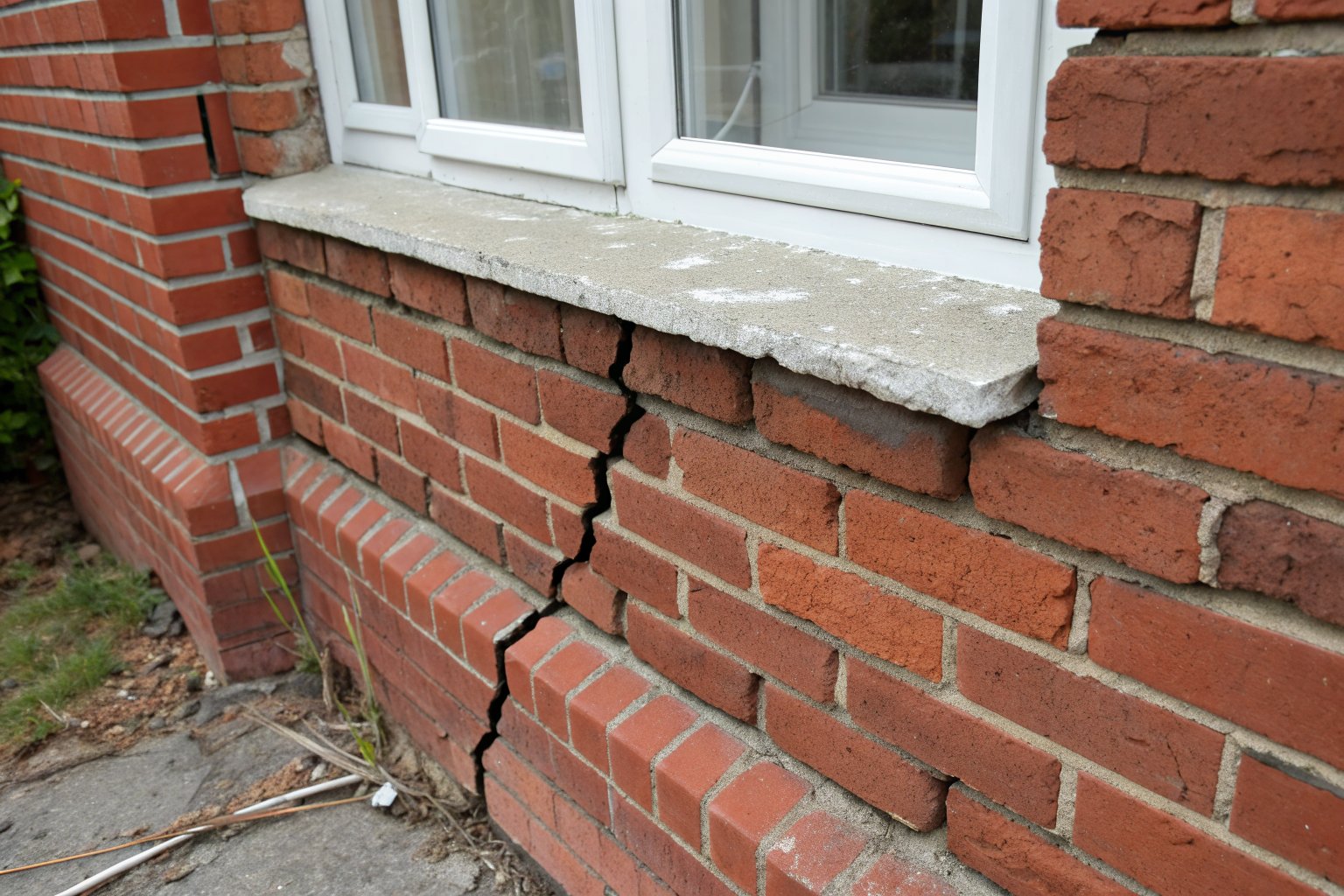
Stair-step cracks in brick veneer, drywall splitting above a door, gaps at ceiling trim and sloping floors can each be worth showing a specialist. None of them proves a problem; only an inspection can say whether any repair is called for, and the options below are kinds of work a specialist may propose.
The ground around Little Rock, AR varies. Local history places the city's namesake outcrop where the Ouachita foothills first touch the Arkansas River. Along that river, federal soil descriptions include Perry clay, poorly drained and very slow to pass water, and Keo, a well-drained loamy soil whose type location lies in Pulaski County. What lies under one lot takes a soil test or an inspection to know.
Speaking of Arkansas as a whole, the Arkansas Geological Survey says soils carrying an expansive clay component can shrink as moisture leaves and can crack concrete foundations. Weather here has run both ways: the National Weather Service recorded a 29.71-foot river crest at the Little Rock, AR gauge on June 5, 2019, the highest there since 1945, and only 2.52 inches of rain against a normal 7.17 from late July through September 2023. Leaks, downspouts, trees and damp ground under a raised floor can also let one side behave differently.
The Scope of Foundation Repair
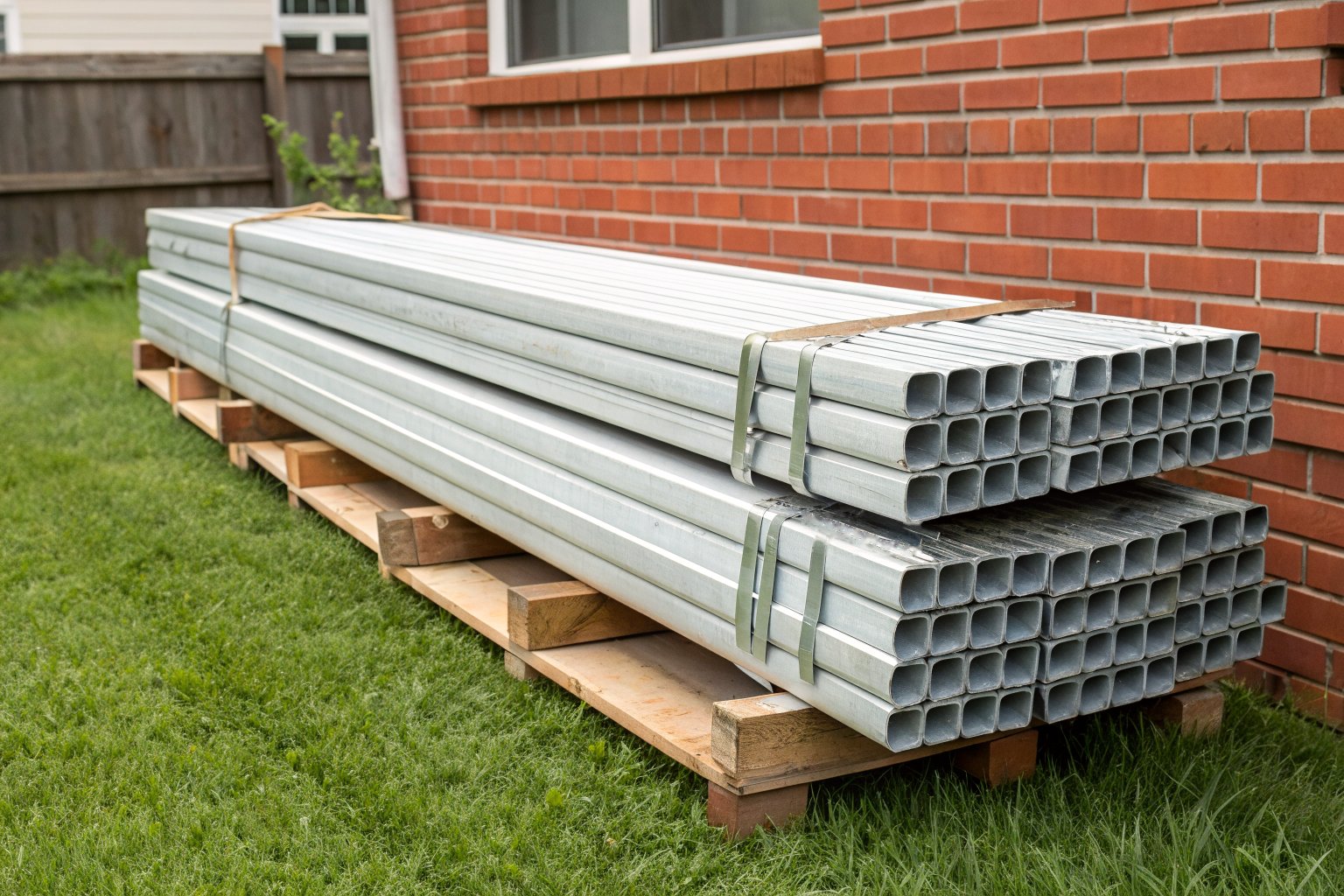
- Steel and concrete piers. Pressed or driven to firmer soil, they give a settled wall line support it can be raised onto in stages.
- Helical piers. Screw-shaped steel shafts turned into the ground are another route to support.
- Shims and beam work. Under a raised floor, fresh shims, added piers and repaired beams or joists can bring a sagging span back toward level.
- Slab lifting. Grout or foam pumped beneath settled concrete can raise it, though it adds no deep support.
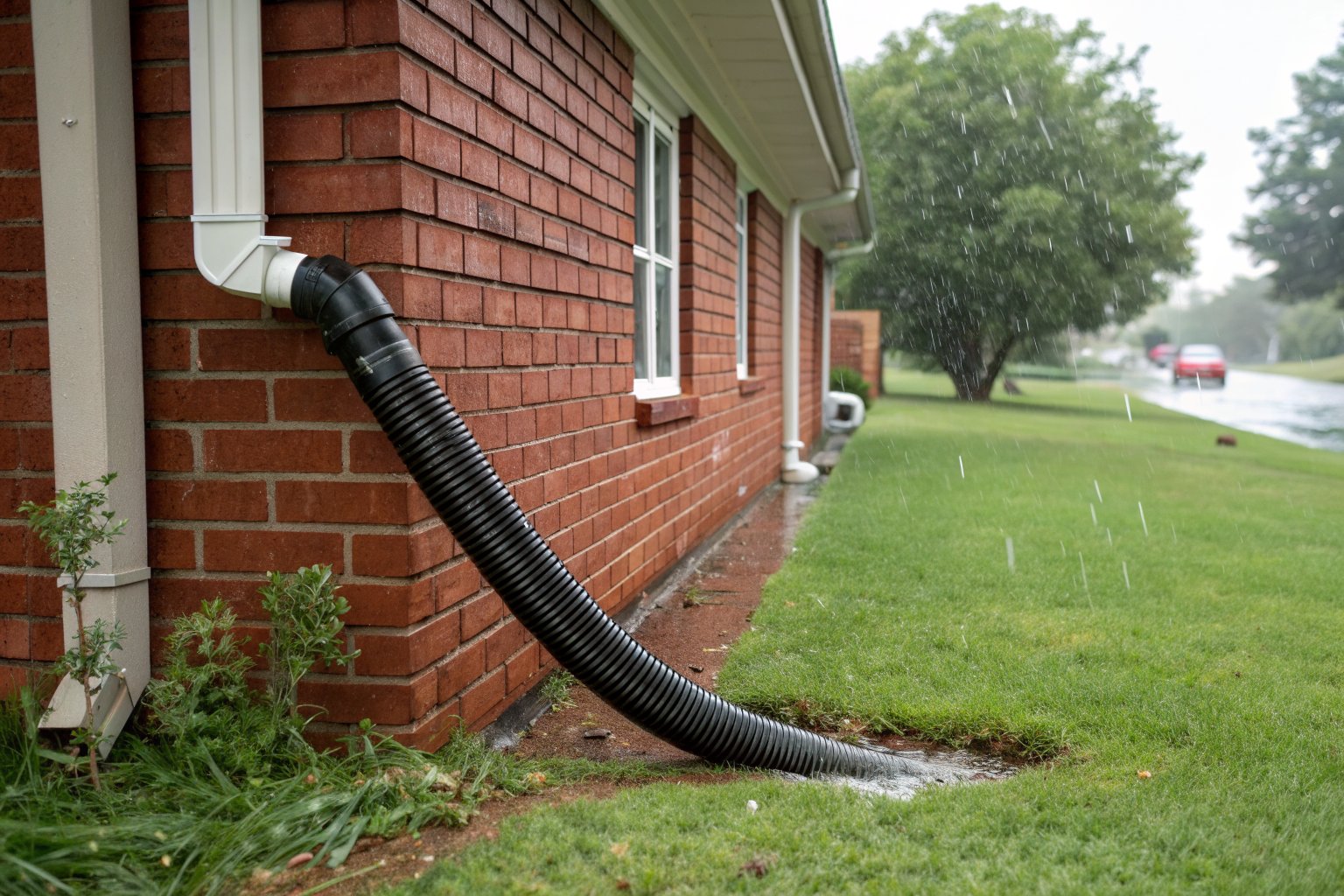
- Gutters and grading. Downspout extensions and reshaped soil are meant to carry rain away from the walls; Arkansas counts drain piping as plumbing.
The Cost Side of Foundation Repair
These are national figures published by home-cost sites. No Little Rock, AR or statewide Arkansas number exists in our sources, and nothing in the table is our price, a quote or a bid. A specialist's written estimate, made after visiting, is the only number that fits your house.
| Cost row | Figure | Source (year) |
|---|---|---|
| Typical foundation repair, national | about $2,224 to $8,134 (average about $5,179) | This Old House (2026) |
| Piers, per pier | about $1,000 to $3,000 | This Old House (2026) |
| Structural engineer's report | about $500 to $1,000 | This Old House (2026) |
The foundation repair cost guide breaks down every figure.
Inside a Foundation Repair Project
- The request. You describe the signs on our form, and we hand it to one independent local foundation specialist, who contacts you if a visit makes sense.
- The inspection. The specialist studies cracks, takes floor readings and checks gutters, grading and trees. If a leak seems possible, that repair belongs with a plumber licensed through the Arkansas Department of Health.
- The written plan. The estimate should give the method, the number, type, depth and placement of piers, and warranty terms. Ask whether a licensed professional engineer will review the plan.
- The permit. Within Little Rock, AR city limits, any job topping $5,000 in labor and materials, or any job that needs an inspection, falls under the City's permit rule, and foundation repair is not on its exception list. Ask the specialist who will apply, then check with the City's Building Permit Desk (501-371-4832).
- Outside the city, or near water. City authority stops at city limits, so a Little Rock, AR mailing address may fall under another office; ask. In a mapped flood zone, ask whether extra review applies.
- The work. The repair crew sets the supports and raises the house in stages.
Why Homeowners Choose Foundation Repair
Done well, foundation work is meant to let doors close, windows latch and floors stay even. Whether any of it applies to your home is the specialist's call, and the answer may be to keep watching.
Asked Often About Foundation Repair
What does it cost to send a request?
Nothing. Sending the form is at no cost and ties you to nothing afterward. Whether the specialist's visit or written estimate carries a charge is worth asking the specialist when you hear back; we don't price work.
Who inspects the house?
The specialist does, never us. Once we pass your request on, the specialist arranges any visit, decides whether there is work worth doing and writes any estimate.
Does the contractor need a state license?
For most jobs, yes. Once home-improvement work on an existing house, repair included, costs more than $2,000, a license from the Arkansas Contractors Licensing Board becomes a legal requirement, and breaking the job into smaller contracts doesn't sidestep it. Get the number, run it through the Board's online contractor search yourself and see that the contract uses the same name. See foundation repair rules in Arkansas.
Will an engineer be involved?
That varies. Ask the specialist whether a licensed professional engineer will look over the house and the plan; the Permit Desk can say whether your permit application needs an engineer's drawings. You can also hire an engineer yourself for a second view.
More Foundation Repair Options
For a closer look, read about slab foundation repair, pier and beam repair, foundation crack repair or house leveling, or try the foundation warning signs quiz and cost calculator; any of these may suit, or none.
Send Details About the Foundation Problem
Tell us what you've seen, a crack that has grown or a door that stopped closing, on the estimate request form. From there it goes to a local foundation specialist; any visit and any written estimate are that specialist's. The change you noticed may call for nothing but monitoring, and you decide what follows.